ARMY / FIELD SERVICE
Army
From rail schedules to a watch at the wrist
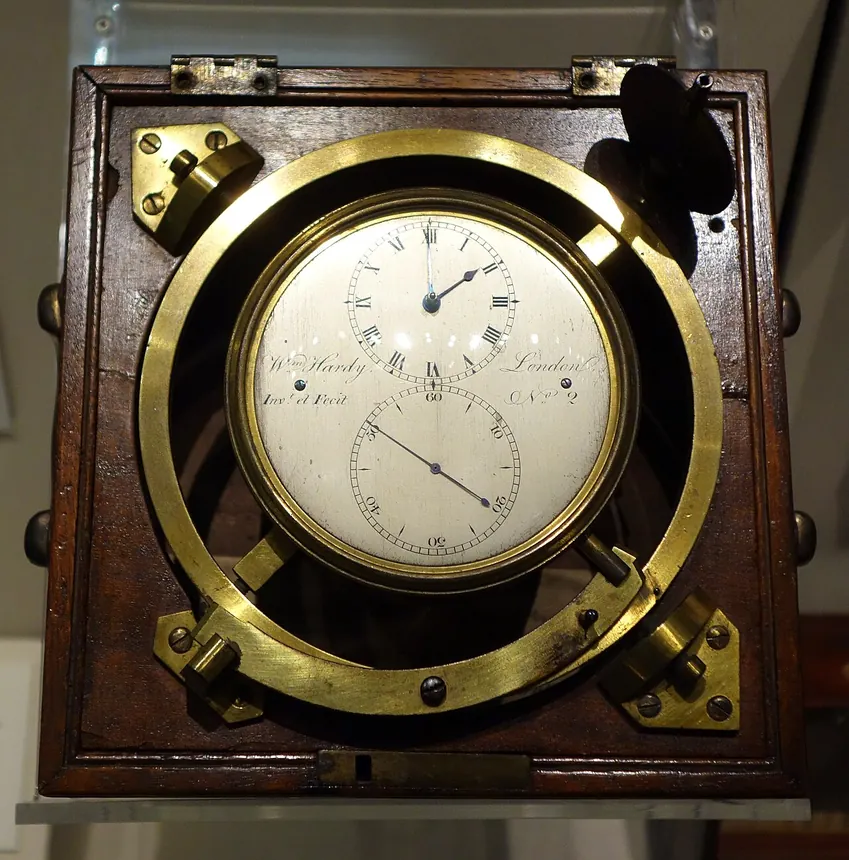
Before wristwatches became widespread, Army personnel relied on pocket watches and synchronized schedules. In World War I, the U.S. Army Corps of Engineers procured accurate timepieces for railroad operations in France. The Corps records Hamilton and Swiss-made watches used to maintain dependable transport and coordinated movement.
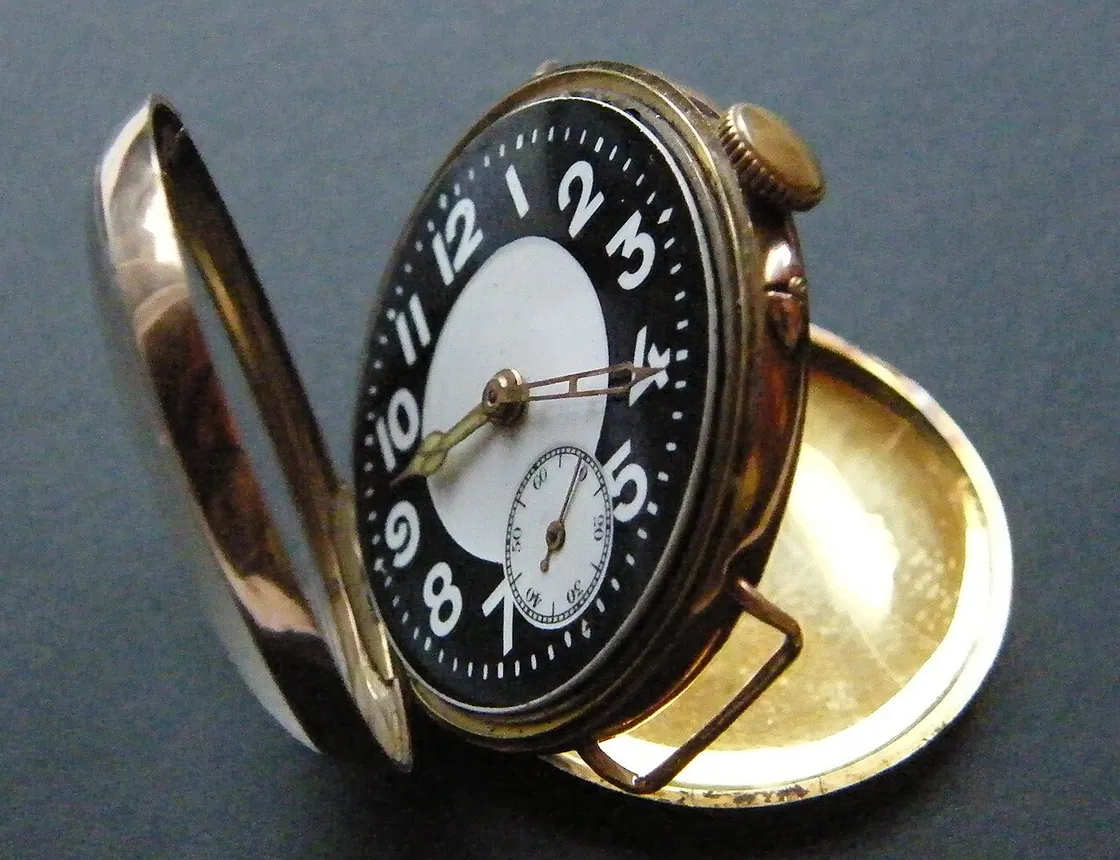
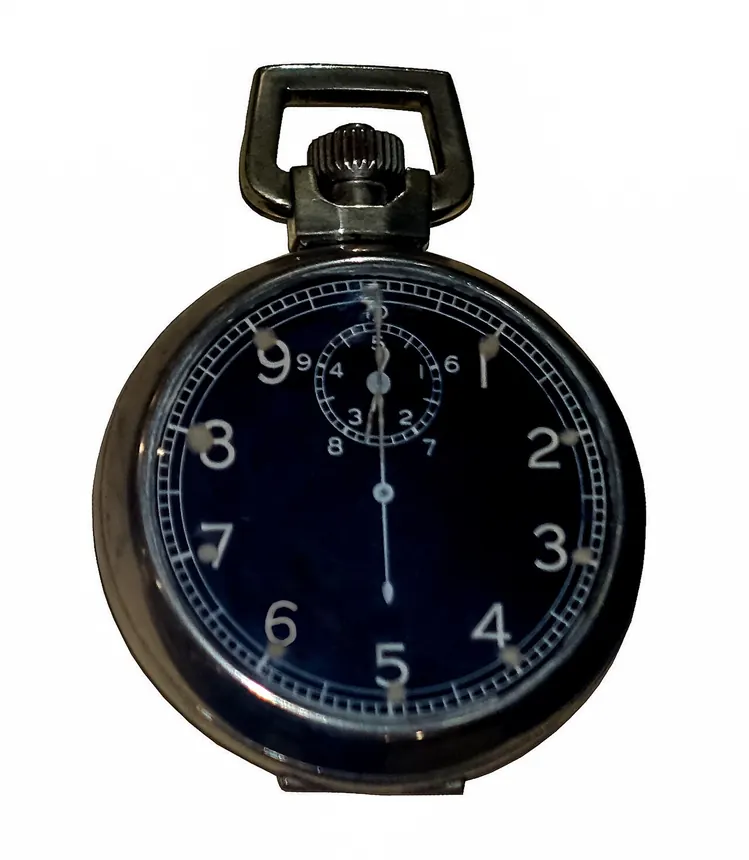
World War I helped normalize a timepiece that could be read with a glance. A 1917 Elgin preserved by the Smithsonian has a protective guard over its crystal. Later military procurement defined standards for specific functions, including watches collectors now call A-11. Those specifications did not describe one universal watch or maker.
Some watches were issued or purchased by the government; many were privately owned. That distinction is essential when evaluating the history of an actual military timepiece.